About
Leader, designer, mentor, and lifelong maker
I build teams and products around clarity, curiosity, and trust
I am a product design leader with more than 25 years of experience across visual design, brand, web, user experience, research, accessibility, product management, and organizational leadership.
That range allows me to move comfortably between product strategy, customer needs, technical execution, and design craft. I can help define the direction, align the people needed to deliver it, and work directly in the design when an idea needs to become tangible.
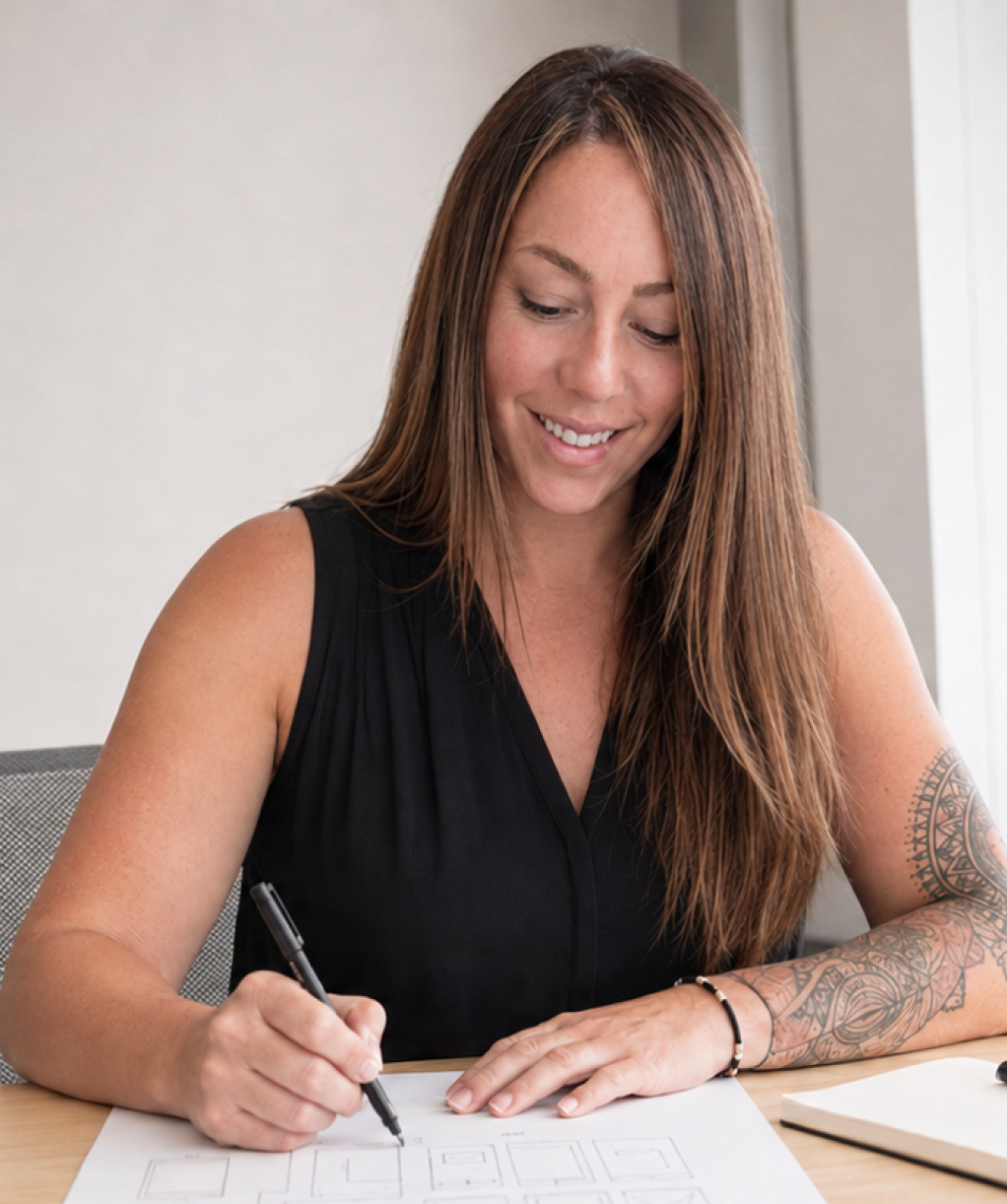
Montreal, 1998 to now. Still sketching before deciding.
How I lead
A player-coach approach built on trust
Designers do their best work when they feel trusted to make decisions, supported when they take thoughtful risks, and safe enough to learn from mistakes.
I lead with an approachable, democratic style. I bring energy and humour to the day-to-day work while remaining direct and decisive when the team needs clarity. I see myself as a colleague to the designers I manage, someone who can help with product strategy and stakeholder alignment while also contributing to interaction details, visual craft, or a working prototype.
My responsibility is not to be the loudest designer in the room. It is to create the conditions that allow other designers to do their best work.
- 01Trust people with decisions
- Give designers meaningful ownership, clear context, appropriate tools, and room to develop their judgement.
- 02Build psychological safety
- Create a team environment where people can challenge ideas, ask for help, share unfinished work, and learn from one another.
- 03Stay close to the craft
- Be equally willing to facilitate strategy, coach a designer, manage a stakeholder, or work directly in a design file when the team needs support.
- 04Advocate for the practice
- Make the value of design visible to leadership and execution teams, and ensure designers are equal participants in product decisions.
The thing I most want designers I have managed to say is that working with me somehow made them a better designer.
Team building
Creating the conditions for people to do their best work
I have scaled design organizations from five to 35 designers and brought previously isolated designers together into a connected practice.
I look for people who care deeply about their craft, enjoy sharing ideas, and are comfortable exploring spaces where the answers are not yet obvious. I have an instinct for understanding where someone can create the greatest value and placing them on work that uses their strengths while helping them grow.
The strongest teams are not built from identical designers. They are built from complementary skills, perspectives, and experiences. My role is to create the shared direction, standards, forums, and relationships that allow those differences to become an advantage.
- Individual confidenceCoaching, mentorship, ownership, and thoughtful feedback
- Collective practiceShared standards, open critique, peer learning, and design systems
- Organizational influenceCustomer focus, cross-functional alignment, and visible product outcomes
I’m easygoing with how I work with people and rigorous about what we deliver.
Working together
The best products are shaped by equal partners
I strongly believe Design, Product, and Engineering should work together with equal weight and mutual respect. Each discipline sees a different part of the problem, and the strongest decisions emerge when those perspectives are combined early.
When teams or stakeholders disagree, I bring the conversation back to the problem space and the people we are trying to serve. Looking at the decision through the user’s experience often removes personal preferences and discipline bias from the room.
I am comfortable challenging requirements, pushing back on assumptions, and asking for evidence. I am equally comfortable changing direction when research, data, or technical insight shows us a better path.
Design
Experience, behaviour, clarity, inclusion, and craft
Product
Strategy, value, priorities, outcomes, and business context
Engineering
Feasibility, systems, performance, scale, and technical opportunity
Equal voices. Shared accountability. Better decisions.
What I believe
Reduce complexity before adding polish
The standard I try to establish for design is simple: reduce complexity.
That applies to the interface, the product idea, and the process used to create it. A concept is ready for meaningful review when the designer has reduced it to the simplest form that can solve the problem.
Polish and sophistication can be added as the idea develops. The first responsibility is to make sure we are solving the right problem in a way people can understand and use.
- 01Start with the problem
- Understand the customer need and desired outcome before becoming attached to a solution.
- 02Make the decision clear
- Use research, evidence, and shared context to reduce subjective debate.
- 03Add only what earns its place
- Complexity should support comprehension or value, not decorate uncertainty.
Designing for belonging
Accessibility is the foundation of the experience
Accessibility is fundamental to user experience. It is not a compliance step, an enhancement, or something that should be added after the concept has already been established.
When we design for belonging and inclusion from the beginning, we create better experiences for everyone. When accessibility is applied after the fact, the result is often a disconnected collection of accommodations layered onto an experience that was never designed to include all of its users.
Every way a person encounters, understands, navigates, or completes a task is part of the experience.
There is no separate accessible experience. All user experiences are the experience.
My path
A career shaped by curiosity and continuous reinvention
I graduated from design school in Montreal in 1998 and began my career in graphic design, working extensively on brand identities and visual communication.
As digital products evolved, I learned web programming so I could design and build websites for my clients. That technical foundation eventually led me into web product design and then into user experience, where research, data, and user-centred decision-making gave new purpose to my creative background.
Over the years, I have also worked as a Product Owner and Product Manager. Those roles gave me a valuable view of product development from outside the design discipline and strengthened my ability to connect customer experience with business priorities and technical delivery.
Throughout every stage of my career, I have been drawn to technically complex products. I particularly enjoy the challenge of making difficult systems feel understandable, useful, and human.
- 01Visual designBrand, identity, communication, and craft
- 02Digital designWeb, interaction, and technical execution
- 03User experienceResearch, usability, accessibility, and evidence
- 04ProductStrategy, prioritization, delivery, and business outcomes
- 05Design leadershipTeams, systems, organizational influence, and product direction
What keeps me curious
Exploring what new technology makes possible
I love working on data-heavy applications and technically complex products. Making sense of a new model, system, or agent and turning it into an experience people can understand is particularly exciting to me.
I also use AI-enabled design and productivity tools to accelerate early exploration, prototyping, iteration, and testing. The goal is not to remove human judgement from design. It is to create more space for curiosity, better questions, and faster learning.
- AI-enabled products
- Transforming new models and capabilities into useful human experiences
- Data-heavy tools
- Helping people understand complex information and make confident decisions
- Emerging design tools
- Using new workflows to prototype, test, and communicate ideas more quickly
Technology becomes meaningful when it helps someone understand, decide, or act.
Beyond the work
Travel, cooking, photography, and sports keep me looking closely
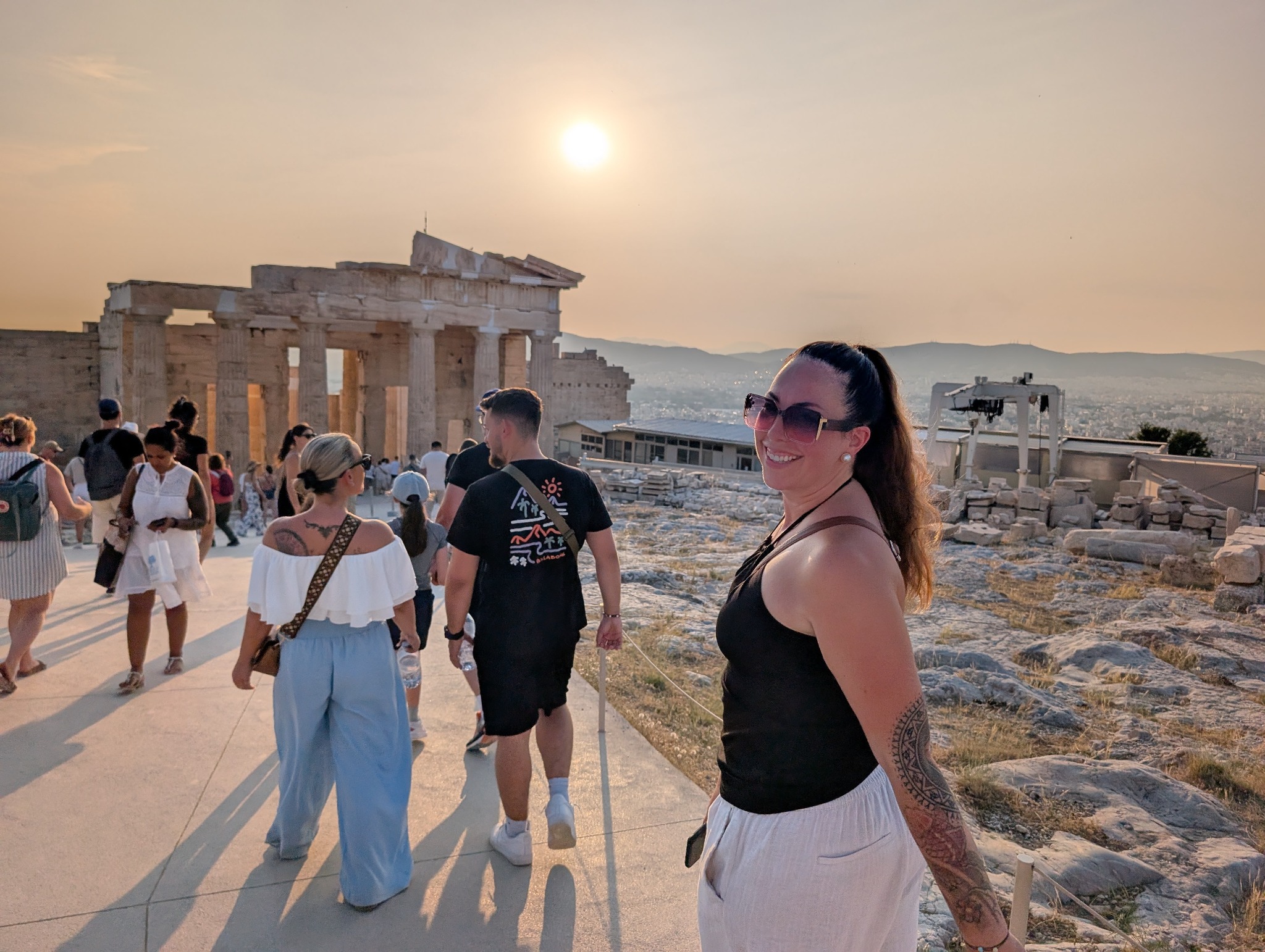
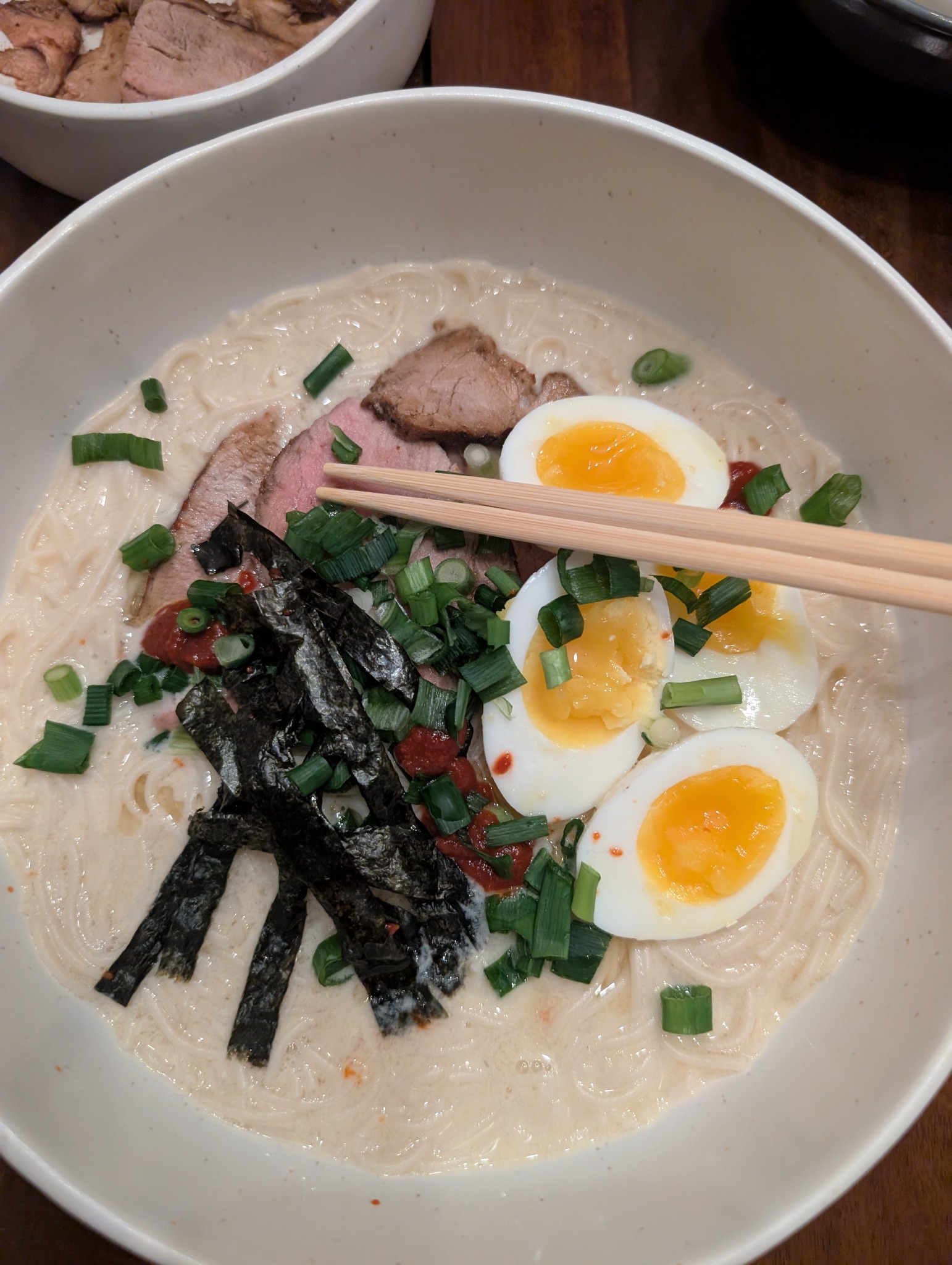
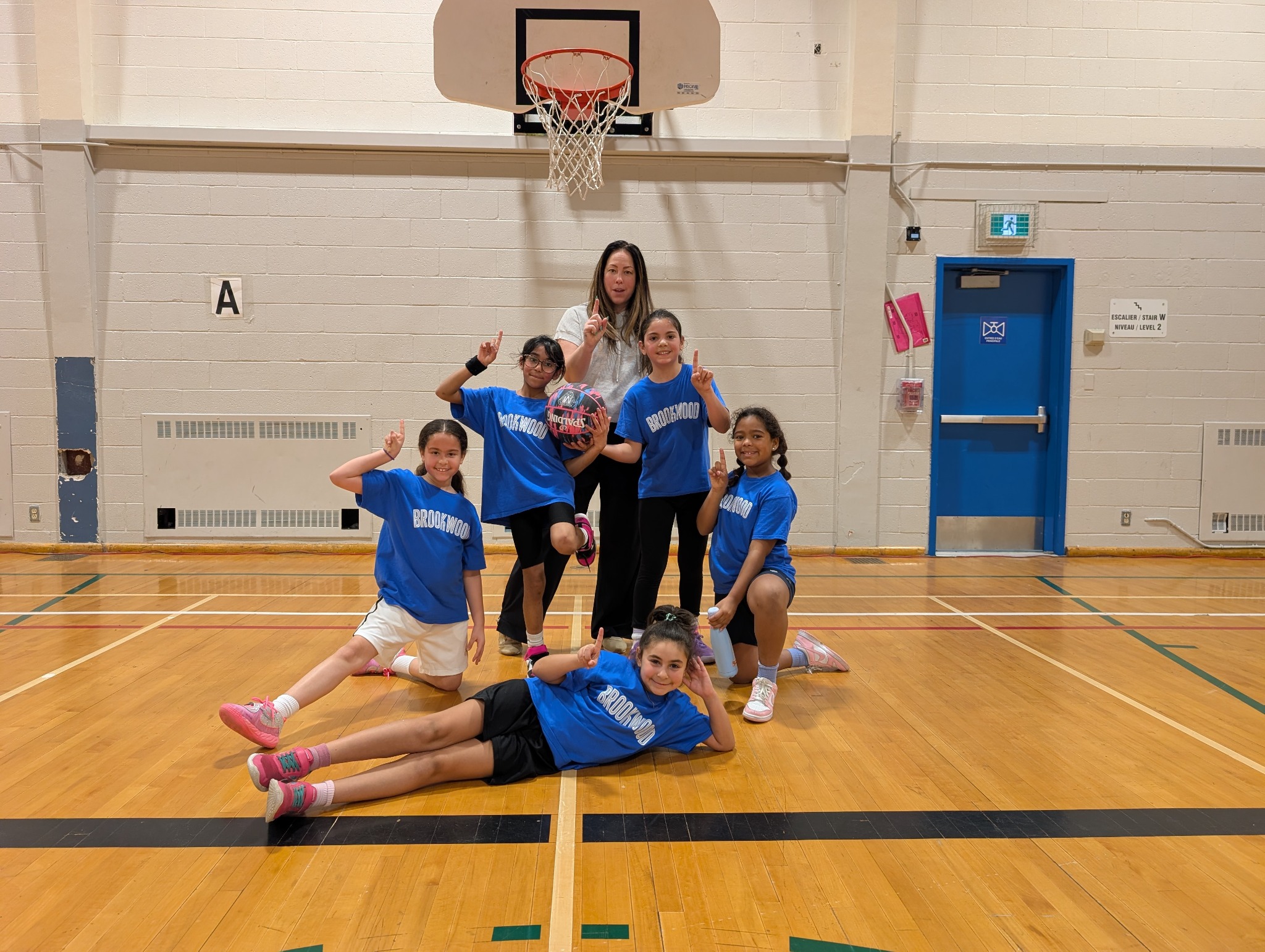
Outside of design, I enjoy travel, cooking, photography, and sports. They each give me a different way to explore, notice details, experiment, and connect with people.

Thoughtful teams make thoughtful products
My experience has taught me that strong design leadership is not only about setting a vision. It is about creating the trust, clarity, standards, and relationships that allow people to turn that vision into meaningful work.